
Home Watch Catches Problems Early — Before They Become Expensive Ones
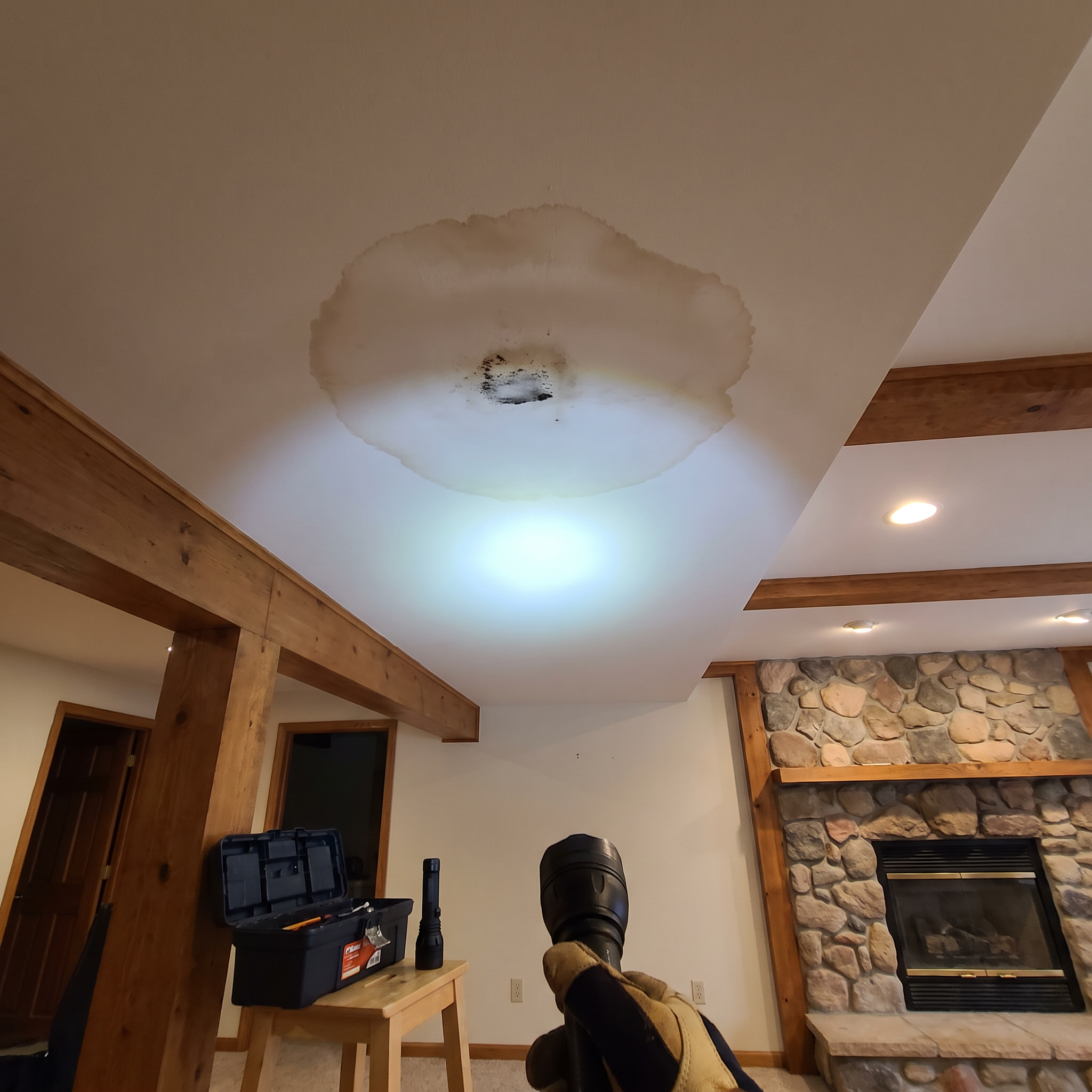
What a slow leak looks like after several weeks undetected.
There is a particular kind of worry that hits when you are sitting at your desk in Detroit, Grand Rapids, Indianapolis or St. Louis…and a storm warning pops up on your phone — for Frankfort, Ludington and Traverse City.
You cannot see the property.
You cannot touch it, smell it or walk through it.
And you know from experience that what you cannot see has a way of becoming what you cannot ignore.
That gap — the distance between where you are and where your Northern Michigan home sits — is where small problems can quietly grow into large ones.
Small Problems Do Not Pause and Wait for You
A slow drip under a sink does not stop because no one is there to notice it.
A furnace that is struggling does not announce itself before it fails.
A slight gap around a window seal does not wait for spring before letting moisture in.
These are not dramatic events.
They are quiet, gradual, and almost completely invisible — until they are not.
Most serious property damage discovered by returning homeowners did not happen overnight. It happened slowly, over weeks or months, while the home sat unoccupied and no one was checking.
That is not a failure of attention. It is a failure of presence.
Regular Visits Change the Equation
Here is the practical difference a recurring home watch visit makes: problems get noticed when they are still small.
A water stain on a ceiling during visit one is a note in the report and a conversation with you. That same stain, unnoticed for another six weeks, is a mold assessment and a contractor estimate.
A furnace filter that is visibly clogged is a two-minute observation, a four-minute replacement and a heads-up to schedule service. A furnace that runs restricted until it fails in January is an emergency call, possible pipe damage and a repair bill that will ruin your week.
Neither of those situations required a catastrophe to unfold. They required someone to show up and pay attention before the window closed.
Regular visits — on a consistent schedule, with clear documentation — create a record of your property's condition over time. That record matters. It means you are not starting from zero every time something looks off. You have a baseline. You have photos. You have notes. You know what changed.
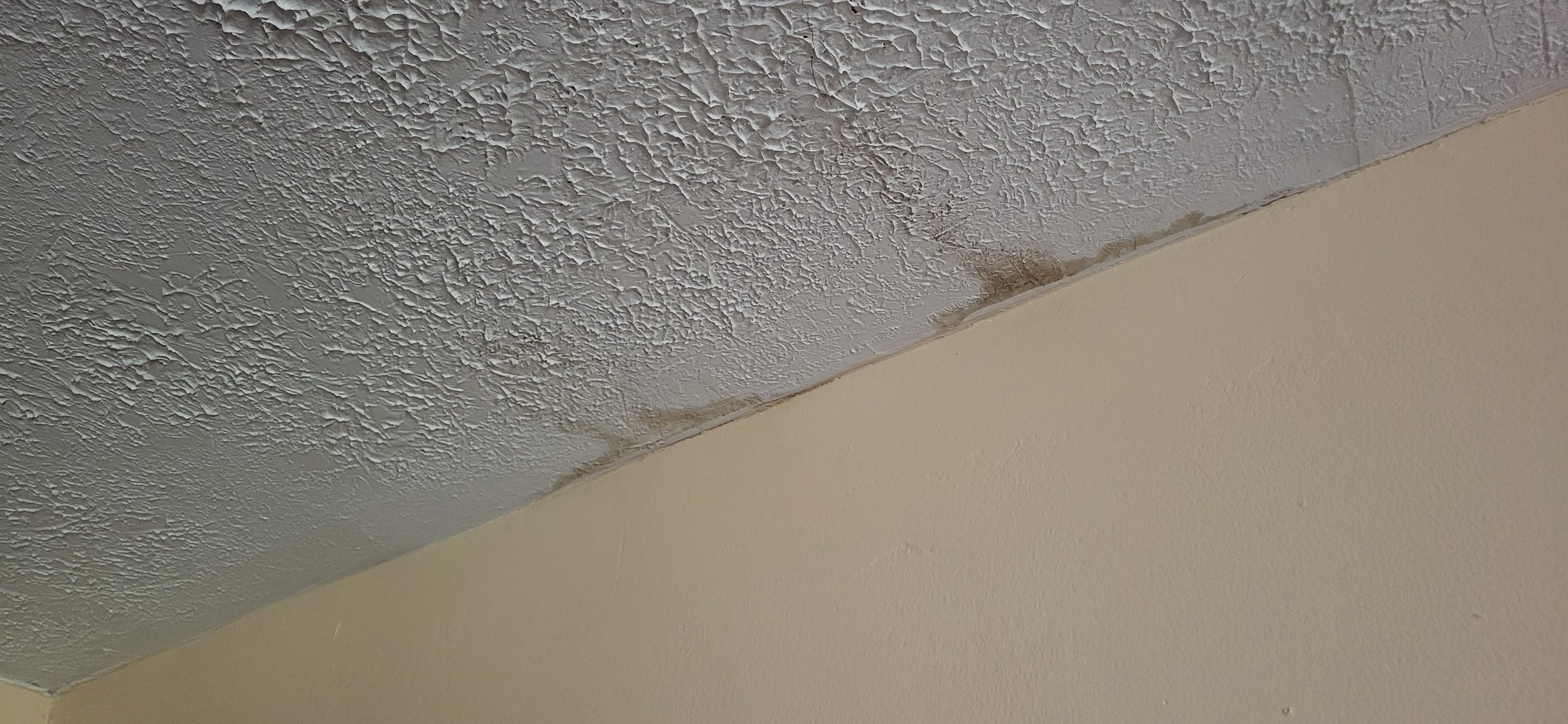
A Documented Visit Tells You What Your Security Camera Can't
What Gets Documented on a Visit
During a scheduled home watch visit, Daymark conducts a systematic interior and exterior review of the property, then delivers a written report with photos. The visit covers what you would likely check yourself…and maybe a few more things most people don’t think about.
On the exterior: the roof line and gutters, entry points and doors, visible water sources, signs of pest activity, storm impact, and the general condition of anything that sits outside through a Northern Michigan winter.
Inside: every room, every ceiling, every accessible plumbing fixture. Temperature and humidity readings. HVAC status. Signs of moisture, pests, power interruptions or anything that looks different from the last visit.
The goal is not to generate paperwork. The goal is to give you useful, accurate information about your property — in plain language, with photos sent to you promptly so you can make informed decisions when something needs attention.

The Neighbor Comparison Is Worth Addressing Directly
A lot of seasonal homeowners start with a neighbor checking on things.
A good neighbor with good intentions is super valuable. This is not an argument against neighbors.
A neighbor checking on things can sometimes be viewed as doing you a favor…even if you pay some money for this “favor”.
A professional home watch visit is a documented service conducted on a schedule with a customized checklist, photographs and a written report that goes to you every single time.
Those are different things.
One relies on availability, attention and goodwill.
The other relies on a defined process, professional accountability, training, certification, insurance.
When something goes wrong and you need to know exactly what was observed, when, and what the property looked like — one of those two options gives you a clear answer.
The Cost of Not Catching It Early
There is no need to exaggerate here. The numbers speak for themselves in everyday experience.
A slow plumbing leak, caught early, might cost a service call and a minor repair. Left undetected for several weeks can mean mold remediation, drywall, flooring and months of headache.
A furnace issue flagged in October is a maintenance visit. A furnace that fails in January, in a home that has gone unoccupied for weeks, is a different conversation entirely.
Regular visits do not prevent every problem. No service can make that claim.
What they do is compress the time between when a problem starts and when it gets noticed. That compression — catching things in the early stage rather than the expensive stage — is the entire point.
Daymark's Standard on Every Visit
Show Up.
Pay Attention.
Document Clearly.
Communicate Reliably.
That is not a tagline written for a brochure (Well, actually it is. Ha!). It is the operating standard that makes every visit useful.
Showing up on schedule matters.
Paying attention — actually looking, not just walking through — matters.
Documenting clearly so you have a real record, yes, it matters.
Communicating reliably so you are never left wondering what was found means the service actually works for you.
If you own a Northern Michigan home that sits unoccupied for any significant stretch of the year, the question worth asking is not whether anything is wrong right now. It is whether you would know?